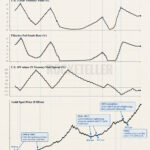
This chart tells a brutal but useful story.
Property cycles do not die in a straight line. They slow, squeeze, rally one last time, then crack. And if this 2011 to 2029 or 2030 path keeps rhyming with history, 2026 sits in the zone where smart money should stop daydreaming and start preparing.
In commodity terms, that matters because property weakness usually bleeds into credit, construction, confidence, and eventually raw material demand. The first hit often lands on cyclical commodities tied to growth, especially industrial metals and energy demand expectations. But the second move is where it gets interesting.
When markets begin to smell policy panic, scarce hard assets with monetary character can wake up fast. That means 2026 is not the year to be lazy. Raise liquidity, reduce weak balance sheet exposure, favor producers with low costs, and keep dry powder ready. In late cycle markets, survival is a strategy. Then comes opportunity.
We have wrote about it before, read more about property cycle here.