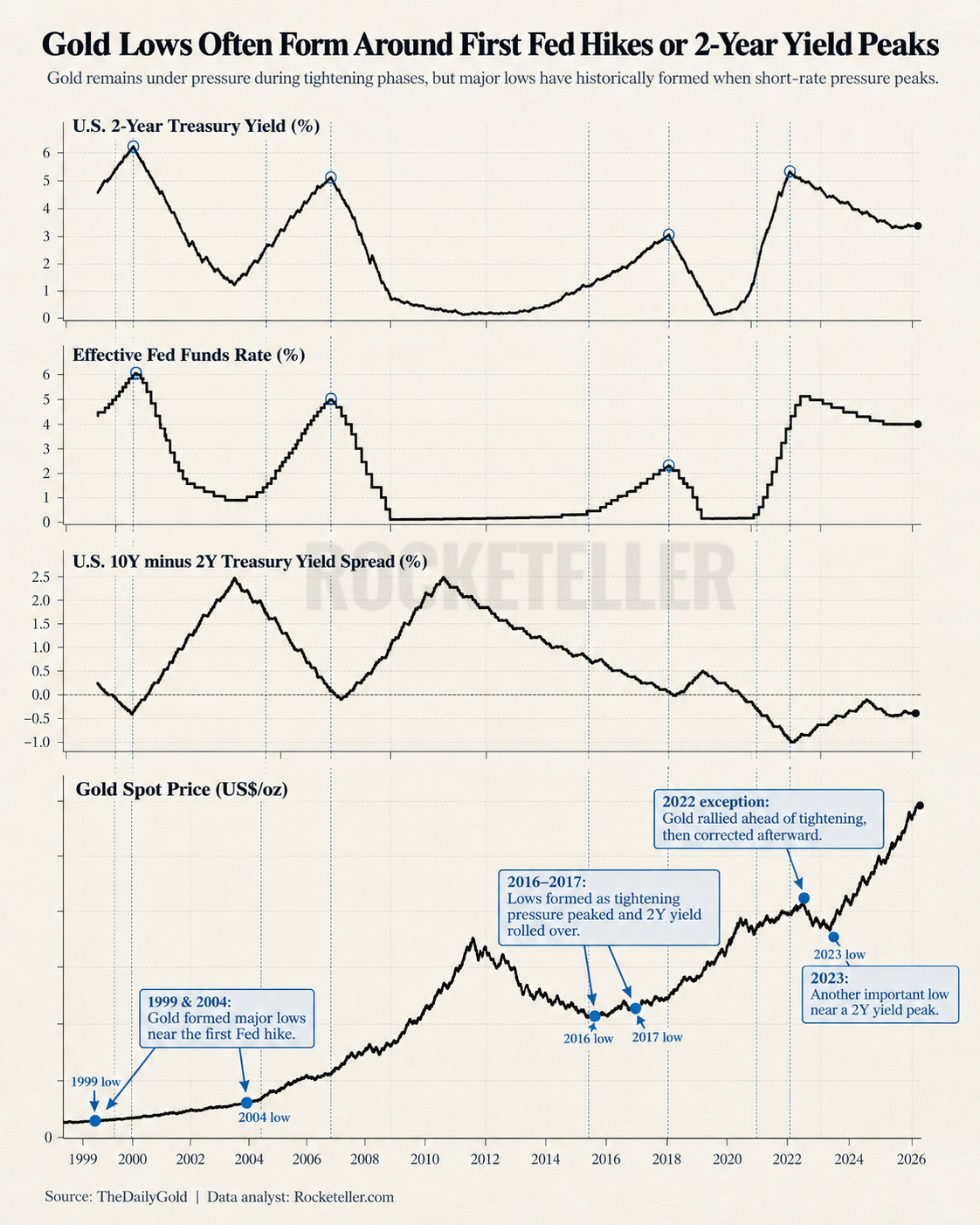
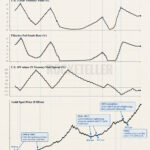
This chart is doing something very simple, but very powerful. It is lining up the gold price with periods of stagflation and asking one blunt question. What tends to happen to gold when the economy slows down but inflation refuses to go away.
And the answer is right there in the picture. Gold has often come alive during those ugly macro environments.
That makes sense. Stagflation is one of the most uncomfortable setups for traditional financial assets. Growth weakens, so confidence in corporate earnings starts to wobble. Inflation stays hot, so the value of cash and fixed income gets squeezed. Stocks do not love weak growth. Bonds do not love sticky inflation. That is when investors start looking around for something that can hold value when both sides of the usual portfolio are under pressure.
That is where gold enters the story.
Gold is not a growth asset. It does not need booming demand, exciting innovation, or perfect economic conditions. It tends to do its best when trust in policy, currencies, and real returns starts slipping. In stagflation, real interest rates often get pressured, central banks face ugly tradeoffs, and investors move toward hard assets that cannot be printed.
For the broader commodity market, the message is important. Stagflation usually means cost pressure, supply friction, and stronger interest in real assets. That can create a friendlier backdrop for commodities, especially precious metals. Gold often leads because it is the cleanest monetary hedge, but the bigger effect is psychological. When investors realize inflation is not dead and growth is slowing, capital starts rotating away from paper promises and back toward tangible things.