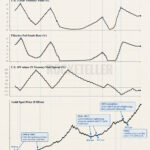
This chart is a snapshot of leadership, and right now the message is loud enough to wake the whole market. Gold is not just participating. It is dominating. On this proxy 2026 view, gold sits at the top on both raw return and risk-adjusted return, which means it is doing two jobs at once. It is making money, and it is doing it with less drama than most of the field.
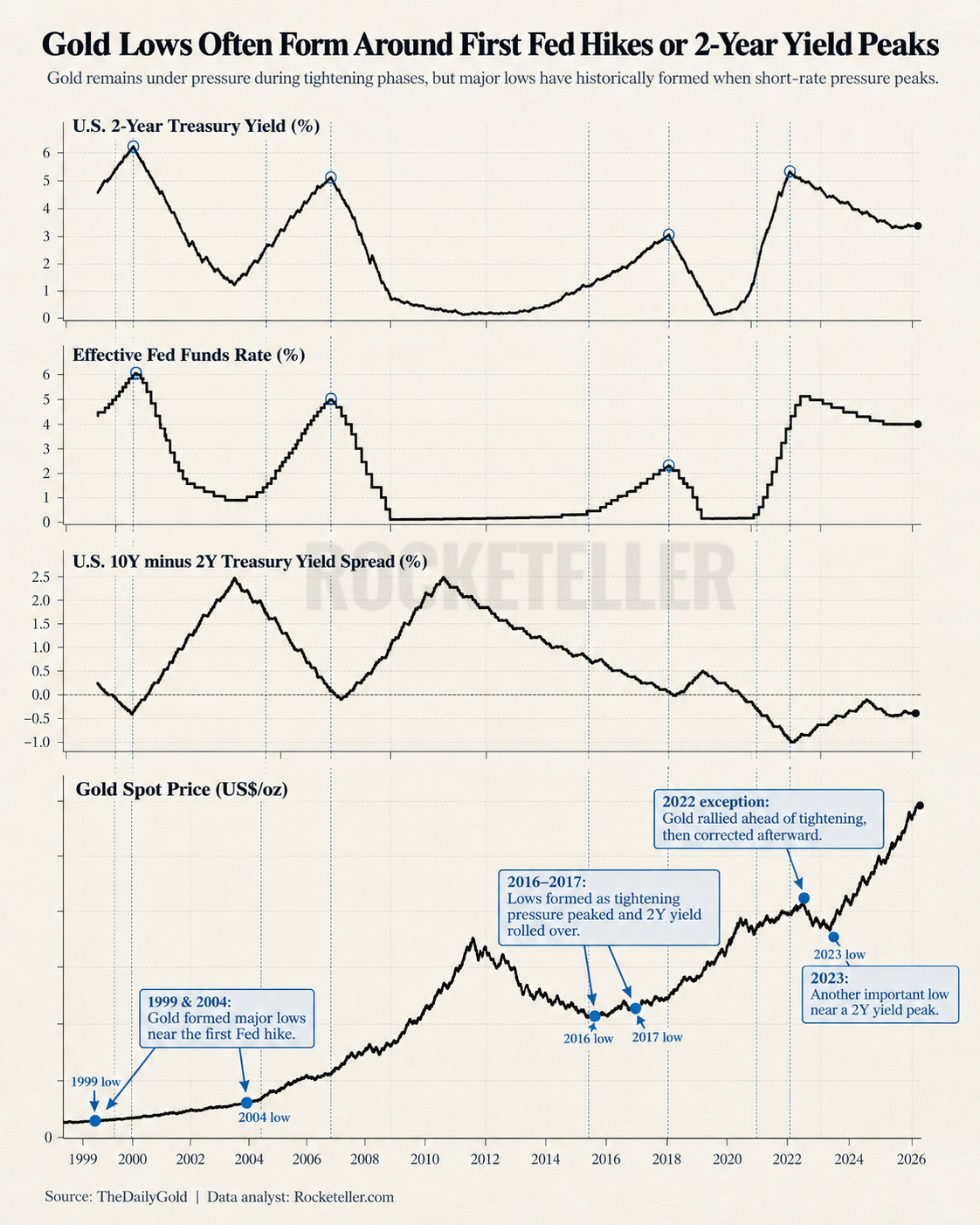
That matters because markets usually do not hand out both prizes to the same asset unless something deeper is happening underneath. Gold tends to outperform when investors start doubting growth, doubting policy, or doubting the durability of financial assets priced for perfection. In plain English, money gets nervous, and nervous money starts looking for shelter.
The second layer is just as important. Consumer staples, materials, and industrials are also holding up well, while financials, health care, and broad equities are struggling. That combination tells a very specific story. Investors are rotating away from pure optimism trades and toward assets tied to real things, hard assets, and defensive cash flow. It is less about fantasy and more about substance.
For the commodity market, the cause-and-effect chain is powerful. When gold leads, it often signals rising demand for monetary protection. When materials and industrials also stay firm, it suggests the market is not just fearing recession, but also repricing scarcity, supply tightness, and the value of tangible production. That can create a broader tailwind for commodities. Capital starts moving toward miners, energy, and raw materials, because in uncertain markets, the assets you can dig up, refine, and ship suddenly look a lot more trustworthy than the promises printed on paper.