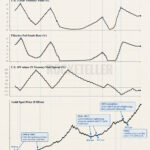
This chart shows one of the biggest shifts in the global financial system, and it is hiding in plain sight.
What you are looking at is the gap between foreign-held U.S. assets and U.S.-held foreign assets. In simple terms, the rest of the world owns far more of America than America owns of the rest of the world. That gap has exploded to roughly $28 trillion.
Why does that matter? Because it tells you the U.S. has become the world’s favorite parking lot for capital. Foreign money keeps flowing into U.S. stocks, bonds, real estate, and private assets. That pushes U.S. asset prices higher, strengthens financial markets, and helps America fund large deficits without immediate pain. It is a huge vote of confidence, but it also creates fragility.
The cause is a mix of things. For years, the U.S. offered deeper capital markets, stronger equity performance, reserve currency status, and perceived safety during global uncertainty. So global capital kept chasing U.S. returns.
The effect is where commodities get interesting. When global money prefers financial assets over hard assets, commodities can stay relatively under-owned. But once confidence in paper assets starts to crack, or once the U.S. begins exporting inflation through debt, deficits, or currency debasement, capital can rotate. That is when gold, silver, oil, copper, and commodity equities can wake up fast. In other words, this chart is not just about capital flows. It may be a warning that the longer the imbalance grows, the bigger the eventual reversal could be. And when reversals happen, commodities usually stop being ignored and start becoming the main event.