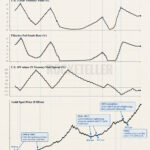
This chart is telling a very simple but very powerful story.
On one side, you have US government debt as a share of GDP climbing over time. On the other, you have gold rising along that same long arc. It is not saying they move in a perfect straight line together every year. They do not. What it shows is the bigger macro relationship underneath the noise.
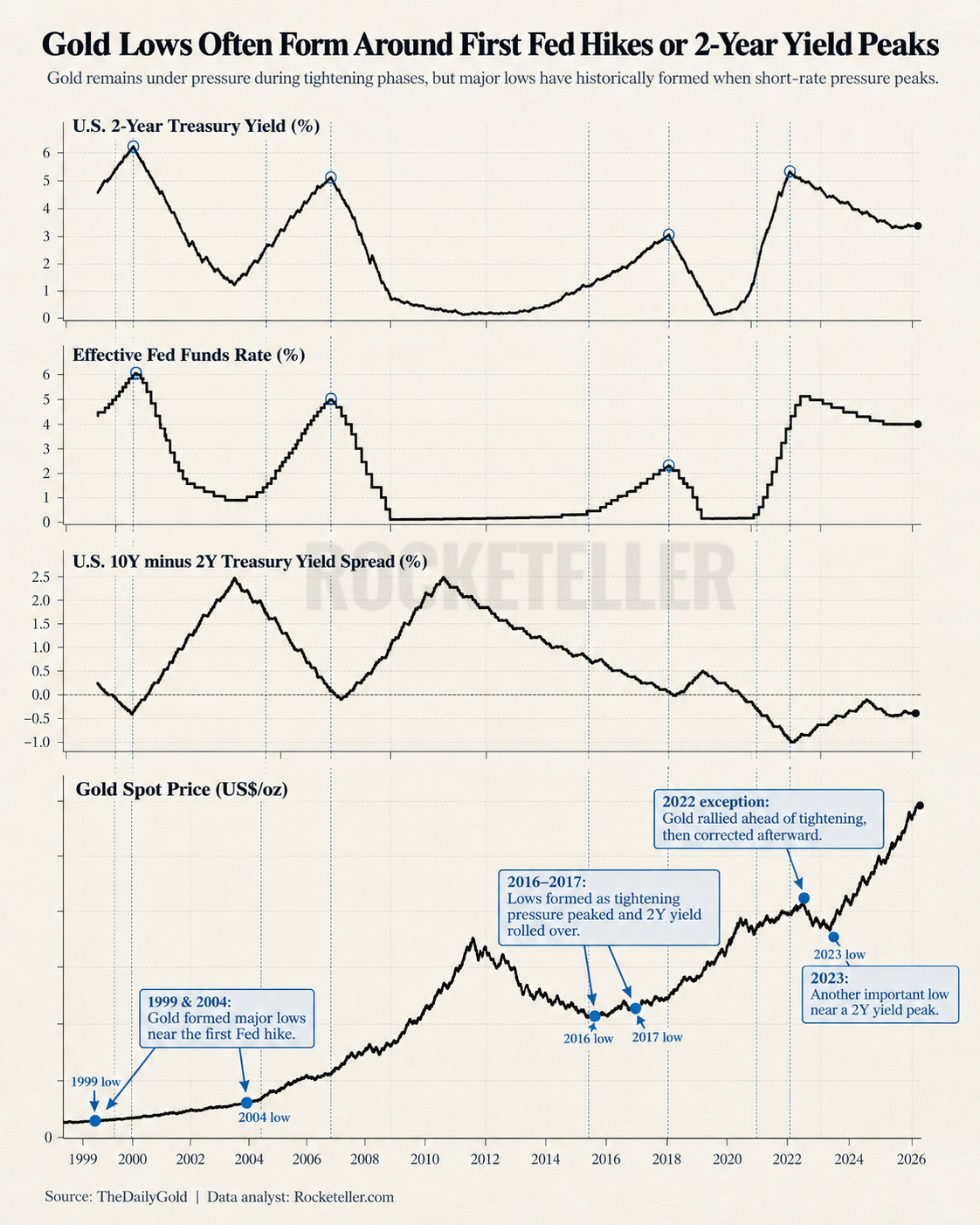
As debt gets larger relative to the economy, the system becomes more sensitive to higher interest costs, slower growth, and financial stress. That usually pushes policymakers into a corner. They can tighten and risk breaking growth, or they can lean toward easier money, lower real rates, more liquidity, and gradual currency debasement over time. That is where gold starts to matter.
Gold is not just a shiny metal in this picture. It is acting like a report card on confidence in paper money, fiscal discipline, and long-term purchasing power. When investors sense that debt is becoming too large to manage the old-fashioned way, they begin moving toward hard assets that cannot be printed.
Now take that into the commodity market. Gold often moves first because it is the purest monetary commodity. If the same debt-driven forces spill into broader inflation expectations, supply constraints, or currency weakness, the effect can spread into silver, energy, and other real assets. In that environment, commodities stop behaving like side characters and start becoming a hedge against policy, debt, and money itself.
So the chart is really about one big idea. Rising debt does not just pressure the bond market. It can slowly reprice the entire commodity complex.