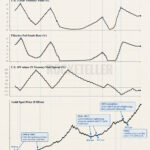
This chart is showing one big message: the world is slowly holding less of its reserves in US dollars.
Think of global foreign exchange reserves as the emergency savings account of central banks and large institutions. For years, the dollar was the king of that pile. It was the default choice for trade, debt, stability, and trust. But this chart shows that share trending lower over time, and recently, the drop looks sharper.
Why does that matter? Because reserve behavior tells you how serious money is thinking. Institutions do not make these shifts for fun. They do it when they want less dependence on one currency, more diversification, and more protection against geopolitical friction, sanctions risk, fiscal stress, or long-term dollar debasement. In plain English, they are quietly saying: we still use the dollar, but we do not want all our eggs in that basket anymore.
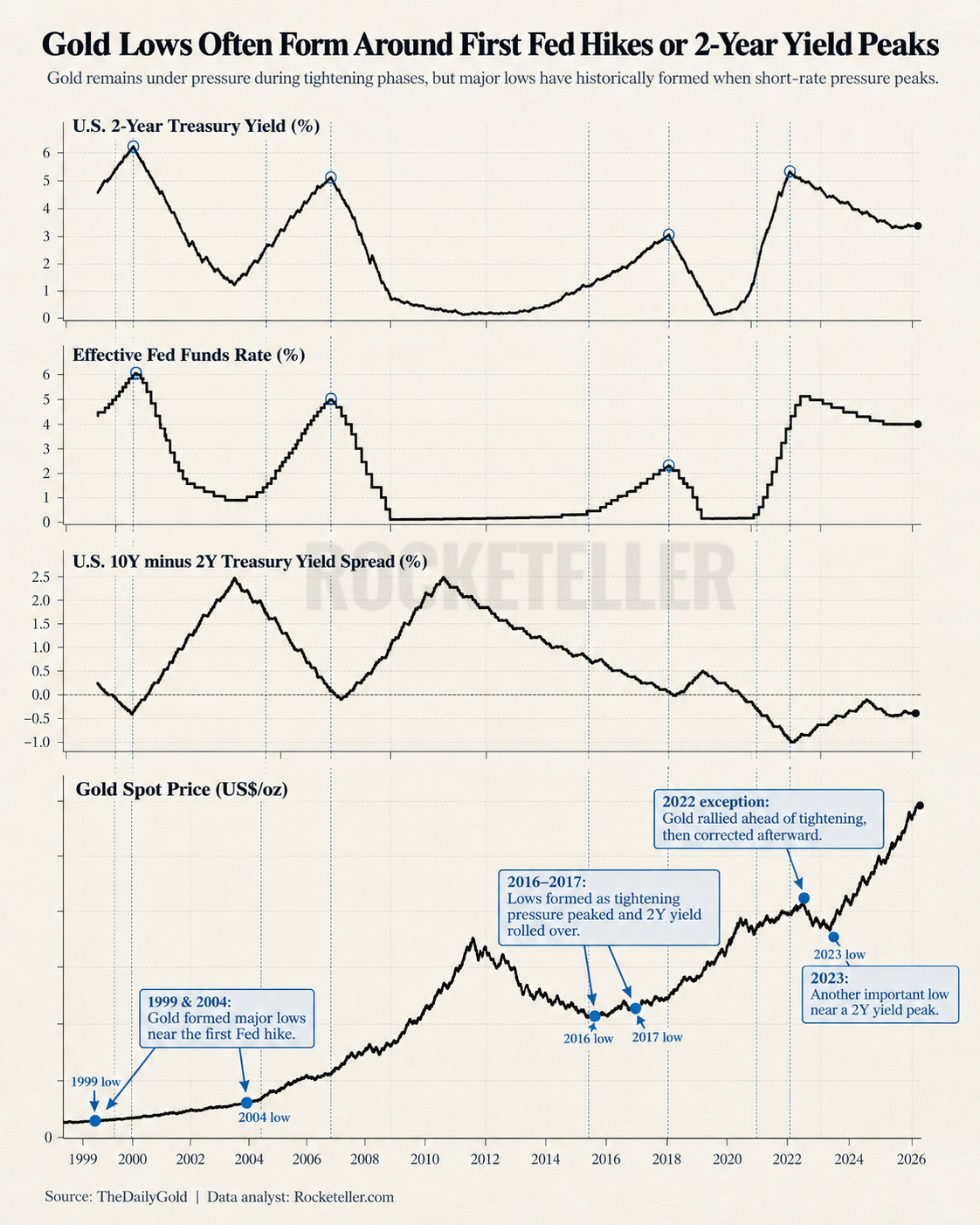
Now here is where commodities come in. When confidence in fiat concentration weakens, hard assets start to look more attractive. Gold is usually the first to benefit because it is the cleanest non-liability reserve asset. It does not depend on a government promise. Then the ripple can move into silver, energy, copper, uranium, and the broader commodity complex, especially if this reserve shift happens alongside inflation, supply tightness, or a weaker real-dollar environment.
Cause and effect is simple. Less dollar dominance can mean more appetite for alternative stores of value. And when the biggest pools of capital start diversifying, commodities stop being side characters. They become the main story.