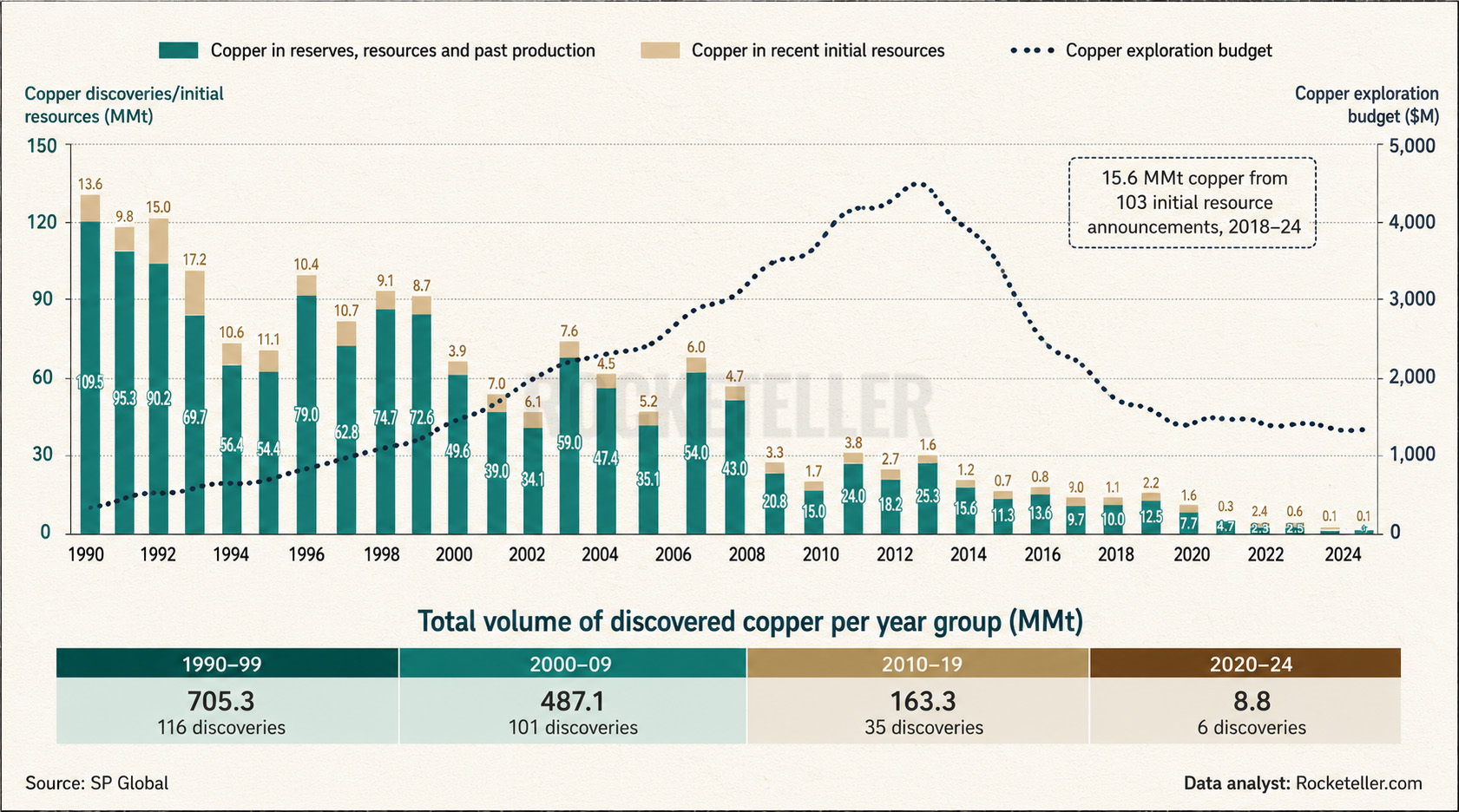
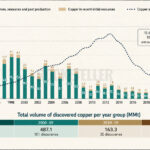
This chart is a simple picture of a very big future problem. It shows copper demand rising steadily from around 25 million tonnes in 2020 to more than 42 million tonnes by 2040, while supply climbs only for a while, then flattens and even slips. In plain English, the world is expected to need a lot more copper than miners and recyclers can provide.
Why does that matter? Because copper is not some niche metal hiding in the corner. It is the wiring metal of the modern economy. It sits inside power grids, data centers, electric vehicles, renewable energy systems, construction, industrial machinery, and consumer electronics. So when demand starts running away from supply, the market does not just yawn and move on. It reprices.
The cause and effect chain is powerful. First, a supply gap tightens the physical market. Then inventories get drawn down. Then copper prices usually move higher as buyers compete for limited material. That price signal then spills into the wider commodity space. Miners with quality assets become more valuable. Developers with future projects get more attention. Capital spending across metals can increase. Inflation pressure can also build because copper touches so many industries that higher copper costs can work their way into everything from infrastructure to manufacturing.
So this chart is really showing a structural imbalance, not a short term trading blip. If it plays out, copper may become one of the most important bottlenecks in the next commodity cycle. And when a bottleneck hits a metal this essential, the ripple effects can travel far beyond copper itself.